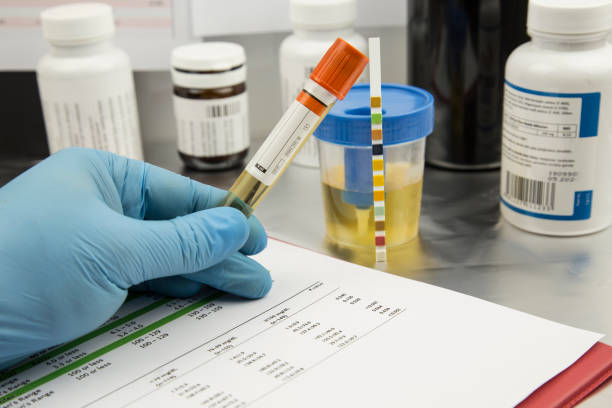
When substance abuse becomes an issue in a Texas divorce or custody battle, courts may order drug or alcohol testing to assess parental fitness. The type of test used can significantly impact the outcome of your case. Below, we explain the different drug tests available, why courts choose certain tests over others, who pays for testing, and the legal consequences of positive results.
Why Courts Order Different Types of Drug Tests
Judges consider multiple factors when deciding which test to require, including:
- Detection window needed (recent vs. long-term use)
- Accuracy and reliability of the test
- Cost and practicality
- Type of substance being tested for
Here’s how Texas courts decide between the most common drug tests:
- Urine Tests (Most Common in Initial Screenings)
- Why Courts Order It:
- Detects recent drug use (1–7 days).
- Cheaper and faster than hair or blood tests.
- Effective for routine monitoring (e.g., probation or temporary custody orders).
- Limitations:
- Short detection window.
- Easy to tamper with.
- Less effective for proving long-term abuse.
- Hair Follicle Tests (Best for Long-Term Use Patterns)
- Why Courts Order It:
- Detects drug use up to 90 days (sometimes longer).
- Harder to cheat (unlike urine tests).
- Used when there’s suspected chronic abuse or if a parent has avoided detection.
- Limitations:
- Expensive and takes days for results.
- Doesn’t show recent use (within ~7 days).
- Blood Tests (Most Accurate for Current Intoxication)
- Why Courts Order It:
- Measures active drug levels (hours to 2-day detection).
- Used in emergency situations (e.g., suspected DUI with kids in the car).
- Limitations:
- Invasive and costly.
- Requires a lab, so results aren’t immediate.
- 4. Saliva Tests (Quick Screening for Recent Use)
- Why Courts Order It:
- Detects drugs within 24–48 hours.
- Non-invasive and fast (useful for on-the-spot checks).
- Limitations:
- Short detection period; not ideal for long-term cases.
- Alcohol-Specific Tests:
- Includes EtG (ethyl glucuronide) tests, which can detect alcohol use over several days. EtG in urine is optimal for 72–80 hours post-consumption.
- PEth tests (phosphatidylethanol) are highly sensitive and can detect longer-term alcohol consumption patterns. PEth remains detectable in blood for 2–4 weeks, making it ideal for assessing recent and chronic alcohol consumption.
- Soberlink Monitoring:
- A breathalyzer device that provides real-time alcohol monitoring.
- Often used for ongoing alcohol testing in custody cases
Reasons Courts Order Specific Tests
Courts consider various factors when deciding which test to order:
- Evidence of Substance Abuse: If credible evidence suggests substance abuse (e.g., police reports, witness testimony), courts may order tests to confirm the allegations.
- Child Safety Concerns: In custody disputes, courts prioritize the child’s best interests. If substance abuse is suspected, testing helps determine whether it affects parenting ability.
- Detection Window: Hair follicle tests are preferred for detecting long-term patterns, while urine tests are suitable for recent use.
- Cost and Accessibility: Urine tests are more affordable and accessible, while hair follicle tests may be ordered for more detailed evaluations despite higher costs.
Who Pays for Drug Testing in Texas Divorces?
- Requesting Party Usually Pays First – If you ask the court to test your spouse, you’ll typically cover the cost upfront.
- Reimbursement Possible – If the test is positive, the court may order the failing spouse to repay the cost. If negative, the requesting spouse usually eats the cost.
- Court-Ordered Tests – Judges sometimes split fees based on income or case circumstances.
How Test Results Affect Custody & Divorce
- Positive Results → What happens if you or your spouse obtain a positive result for drugs and/or alcohol completely depends on the circumstances of your specific case. Potential effects could include: less custody of the child, supervised visitation, mandatory rehab, or total loss of custody until sobriety is proven.
- Negative Results → Negative results on a drug and/or alcohol test could support increased custody with the child. Further, false and groundless accusations may backfire on the accusing party and result in loss of credibility for the accusing party or penalties by the judge.
- Refusing a Test → Treated similarly to a positive result (loss of custody rights possible).
Key Takeaways
- Urine tests are common for initial checks; hair tests are used for long-term patterns.
- Blood tests are rare but used when immediate intoxication is suspected.
- Saliva tests provide quick results but aren’t as thorough.
- The accusing party usually pays, but costs can shift based on results.
If you’re facing drug testing in a Texas divorce, consult a family law attorney to protect your rights and strategize the best approach. The attorneys at Grinke Stewart Law are here to help you. Give us a call at (469) 598-2001.