Adoptive Children and Texas Custody Law
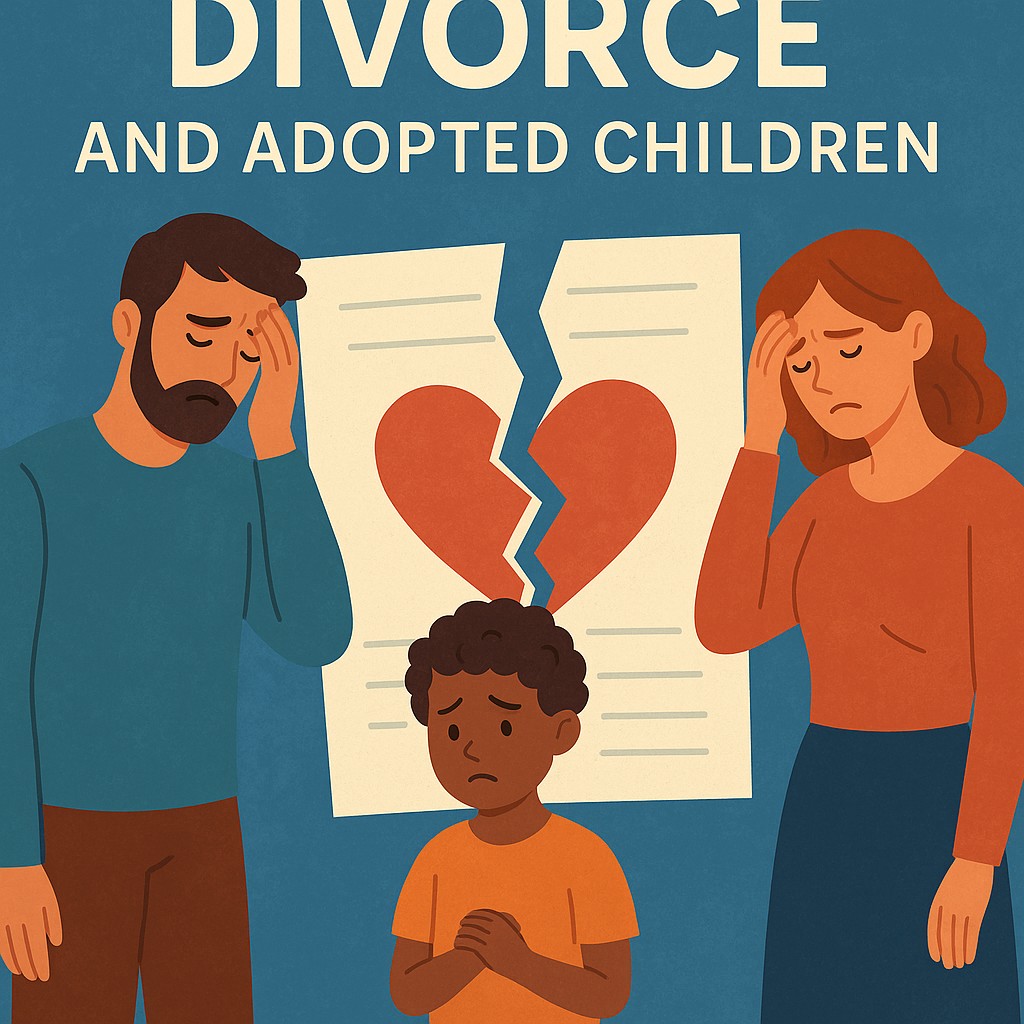
Texas law treats adopted children the same as biological children when it comes to divorce and custody proceedings. Once an adoption is finalized, adoptive parents have all the same legal rights and responsibilities as if the child were born to them. This means that during a divorce, custody, visitation, and child support for adopted children are determined by the same standards and processes as for biological children.
Legal Parental Rights for Same-Sex Couples
In Texas, same-sex couples can legally adopt children together, and once the adoption is finalized, both parents have the same legal rights and responsibilities as any other adoptive or biological parents. This means that during a divorce, custody of adoptive children is determined using the same legal standards as for opposite-sex couples.
Establishing Parental Rights Is Critical
For same-sex couples, it is essential that both partners establish legal parentage. This is typically done through joint adoption or a second-parent adoption, which allows the non-biological parent to become a legal parent without affecting the rights of the first parent. Only individuals with legal parent status can seek custody or visitation rights in a divorce. If only one partner is a legal parent, the non-legal parent may have no standing in custody proceedings.
Best Interests of the Child Standard
Texas courts use the “best interests of the child” standard to make all custody decisions. This standard applies equally to adopted and biological children. Judges consider factors such as:
- The child’s emotional and physical needs
- The stability of each parent’s home
- The parenting skills and involvement of each parent
- The child’s history and attachment to each parent (which may be particularly relevant if the adoption is recent or the child has special needs)
- Any history of abuse or neglect
Types of Custody in Texas
Texas refers to custody as “conservatorship.” There are two main types:
- Joint Managing Conservatorship: Both parents share decision-making responsibilities. This is the default presumption in Texas unless there are reasons (like family violence) to award sole managing conservatorship.
- Sole Managing Conservatorship: One parent has the exclusive right to make major decisions for the child if joint conservatorship is not in the child’s best interest.
Physical possession (where the child lives) and access (visitation) are determined separately from legal decision-making authority.
Special Considerations for Adopted Children
While the legal framework is the same, courts may pay special attention to the adopted child’s background, trauma history, or the length of time the child has been with each parent-especially if the adoption is recent. The goal is always to ensure stability and continuity for the child.
Child Support and Financial Responsibilities
Adoptive parents are equally responsible for child support. The court will establish support obligations based on the same guidelines used for biological children.
Conclusion
If you are facing divorce involving adopted children in Texas, it is advisable to work with an experienced family law attorney to ensure your rights and your child’s best interests are fully protected. The attorneys at Grinke Stewart Law are here to help you. Give us a call at (469) 598-2001.